


Personalized Psychiatric Care In Johnson County, Kansas
Empowering busy professionals to rewrite their mental health story.
Stock Health for Mental Balance is a Johnson County psychiatric practice conveniently located in Olathe, serving adults across Kansas through in-person and telehealth care.
We provide personalized psychiatric evaluations, medication management, and treatment for ADHD, anxiety, depression, and other mental health concerns. Bilingual services are available in English and Spanish.
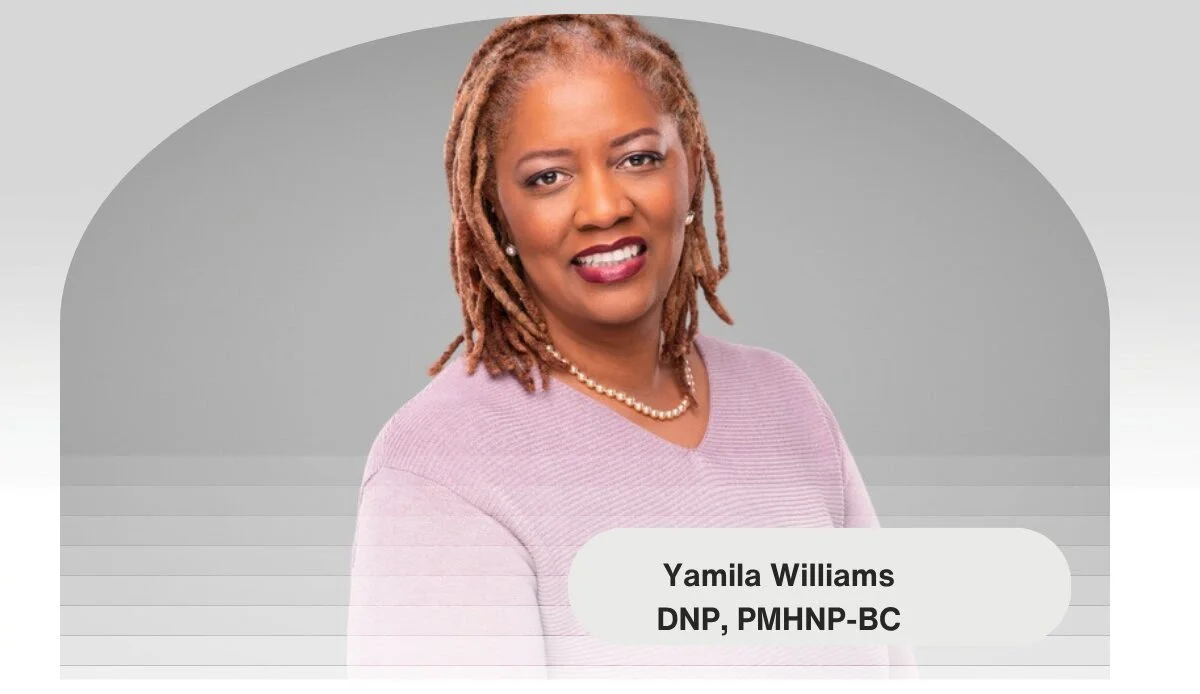
About Us
At Stock Health, we believe busy adults and high-functioning women shouldn't have to choose between their career and their mental health. That is why the best return on investment is your mental wellbeing. You deserve a space to be seen, heard, and supported. That’s why we provide personalized psychiatric evidence-base care; delivered with a practical approach that actually fits the realities of your daily life. We offer in-person and telehealth psychiatric evaluations, medication management, and treatment for ADHD, anxiety, depression, mood, substance use disorders with MAT, other mental health concerns, and menopause related mental health symptoms. Whether through medication management, education, or supportive guidance, our goal is to support each patient’s path toward mental wellness. We proudly serve adults in Olathe, Overland Park, Lenexa, Gardner, Shawnee, and surrounding communities. Bilingual psychiatric services are available in Spanish.
Our Purpose is Simple: Real Support for Real Life.
We’re here to help busy adults and high-functioning professional women achieve optimal mental wellbeing on their own terms. We bridge the gap between clinical science and daily life through:
Personalized Care: A space where you are always deeply seen, heard, and respected.
Evidence-Based Science: Proven psychiatric treatment options tailored to your unique biology.
Practical Strategies: Realistic tools designed to bend, not break, under a busy schedule..
Conditions We Treat
-
![Woman appearing worried while sitting beside a laptop in a bright, comfortable room.]()
Anxiety
-
![Adult female wearing glasses seated at a desk in a bright room.]()
ADHD Symptoms
-
![Black woman resting thoughtfully on a sofa in a softly lit home setting]()
Depression
-
![Woman reflecting on different emotions in a warm home environment.]()
Mood Disorders
-
![Woman resting peacefully outdoors surrounded by greenery and natural light.]()
Trauma
-
![Mature woman with gray hair sitting thoughtfully in a comfortable home.]()
Menopause Mental Health
-
![Black woman lying in bed in a softly lit bedroom.]()
Sleep Concerns
-
![Man looking toward the horizon at sunrise in a peaceful outdoor setting]()
Substance Use Disorders








Understanding Mental Health Conditions and Treatment Options
Mental health symptoms are not always easy to recognize. ADHD, anxiety, depression, trauma, sleep difficulties, and certain medical conditions can share overlapping symptoms.
At Stock Health for Mental Balance, we believe an accurate diagnosis begins with a comprehensive assessment. Explore the conditions we treat, common symptoms, and how we approach safe, individualized psychiatric care.
-
Understanding Adult ADHD
Attention-Deficit/Hyperactivity Disorder (ADHD) is a neurodevelopmental condition that can affect attention, organization, impulsivity, time management, and everyday functioning.
In adults, ADHD may not look like the hyperactivity commonly associated with childhood. Some individuals experience forgetfulness, procrastination, difficulty completing tasks, racing thoughts, or feeling overwhelmed despite appearing successful.
Could it be something other than ADHD?
Yes. Anxiety, depression, trauma, sleep disorders, hormonal changes, and certain medical conditions can produce similar symptoms.
Our Approach: We complete a comprehensive psychiatric evaluation, review medical and developmental history, and use standardized screening tools and structured interviews, such as the DIVA-5, when indicated. An accurate diagnosis may require multiple appointments.
Treatment options, including stimulant and non-stimulant medications, are discussed based on clinical findings, medical history, and safety considerations. A diagnosis does not guarantee a stimulant prescription.Description text goes here
-
Anxiety is a natural response to stress, but persistent or excessive anxiety can interfere with everyday life.
Symptoms may include constant worrying, racing thoughts, restlessness, irritability, difficulty concentrating, panic attacks, muscle tension, or sleep disturbances. Anxiety may also cause physical symptoms such as a racing heartbeat, sweating, or stomach discomfort.
Could it be something other than anxiety?
Yes. Thyroid disorders, cardiac conditions, hormonal changes, sleep problems, caffeine, certain medications, and other medical conditions may produce similar symptoms.
Our Approach: We assess the nature and severity of your symptoms, medical history, and possible underlying causes. Screening tools such as the GAD-7 may help monitor your progress.
Treatment may include medication, psychotherapy referrals, and coping strategies. Some medications can initially worsen anxiety or may be contraindicated depending on your medical history.
Benzodiazepines are not routinely prescribed as first-line treatment. They are considered only in specific circumstances when clinically appropriate, following careful evaluation of risks, benefits, and medical necessity.Description text goes here
-
Depression is more than occasionally feeling sad. It can affect mood, energy, motivation, sleep, concentration, and the ability to enjoy everyday activities.
Some individuals struggle to complete daily responsibilities, while others continue working, caring for their families, and appearing successful despite feeling emotionally exhausted, disconnected, or overwhelmed. This is sometimes described as high-functioning depression, although it is not a separate clinical diagnosis.
Could it be something other than depression?
Yes. Thyroid disorders, anemia, hormonal changes, sleep problems, medications, and other psychiatric conditions may contribute to similar symptoms.
Our Approach: We evaluate your symptoms, medical history, and possible contributing factors. Screening tools such as the PHQ-9 help us assess symptom severity and monitor treatment response.
Treatment may include medication, psychotherapy referrals, or both. We discuss potential benefits, side effects, medication interactions, and alternatives so you can make informed decisions about your care.Description text goes here
-
Mood disorders involve changes in emotional state that can significantly affect energy, sleep, thinking, relationships, and everyday functioning.
Conditions such as bipolar disorder can involve periods of depression along with episodes of mania or hypomania. Symptoms may include unusually increased energy, reduced need for sleep, impulsivity, racing thoughts, increased activity, or significant changes in mood.
Not every mood change indicates bipolar disorder.
Could it be something else?
Yes. ADHD, trauma, anxiety, substance use, thyroid disorders, medication effects, and other medical conditions can sometimes resemble mood disorder symptoms.
Our Approach: We carefully review your psychiatric history, sleep patterns, mood episodes, family history, and previous responses to medication.
An accurate diagnosis is important because certain medications, including antidepressants used alone in some patients with bipolar disorder, may worsen mood instability.
Treatment may include mood-stabilizing medications, psychotherapy referrals, and regular monitoring. Recommendations are individualized based on clinical findings and safety considerations.Item description
-
Trauma refers to experiences that are deeply distressing or overwhelming and can affect a person's emotional, psychological, or physical well-being.
Trauma may occur during childhood or adulthood and can involve a single event or repeated experiences. Examples include abuse, violence, accidents, neglect, or other distressing circumstances.
Some people describe experiences as big T or little t trauma. These are informal expressions rather than separate clinical diagnoses.
Common trauma-related symptoms may include:
Intrusive memories or nightmares
Feeling constantly on edge or unsafe
Avoiding reminders of difficult experiences
Emotional numbness or irritability
Anxiety, sleep difficulties, or concentration problems
Experiencing trauma does not automatically mean someone has PTSD.
Our Approach: We provide compassionate, trauma-informed psychiatric evaluations to understand your symptoms and how they affect your life.
Trauma-focused psychotherapy is generally recommended for PTSD. Medications may also help with certain PTSD symptoms or co-occurring depression and anxiety.
We discuss appropriate treatment options and referrals while respecting your readiness, comfort, and individual preferences.Item description
-
Hormonal changes throughout a woman's life can affect mood, concentration, sleep, energy, and emotional well-being.
Understanding the stages of menopause can help explain why certain symptoms develop.
Premenopause: The reproductive years before the menopausal transition begins.
Perimenopause: The transitional period leading to menopause, when hormonal fluctuations may contribute to anxiety, irritability, mood changes, brain fog, and sleep disturbances.
Menopause: The point generally identified after 12 consecutive months without menstruation, when no other medical cause explains the absence of periods.
Postmenopause: The years following menopause.
What if hormone therapy doesn't resolve your symptoms?
Some women continue experiencing anxiety, depression, sleep disturbances, or concentration difficulties despite receiving hormone therapy.
Our Approach: We assess psychiatric symptoms while considering hormonal changes, medical history, medication effects, and other contributing conditions.
When appropriate, additional psychiatric treatment may help manage persistent symptoms. We discuss medication options, psychotherapy referrals, and coordination with your primary care or women's health provider.
Our goal is to support your emotional well-being throughout this stage of life.Item description
-
Insomnia involves difficulty falling asleep, staying asleep, or returning to sleep after waking, often affecting daytime energy, mood, concentration, and functioning.
Some individuals experience racing thoughts at bedtime, frequent awakenings, or waking feeling exhausted despite spending enough time in bed.
Could something else be affecting your sleep?
Yes. Anxiety, depression, ADHD, trauma, hormonal changes, sleep apnea, medications, caffeine, and certain medical conditions can contribute to sleep disturbances.
Our Approach: We review sleep patterns, psychiatric symptoms, medical history, medications, and other factors that may affect sleep quality.
Treatment focuses on identifying contributing causes rather than automatically prescribing sleeping medication.
Cognitive Behavioral Therapy for Insomnia (CBT-I) is an evidence-based first-line treatment for chronic insomnia. Medication may be considered when appropriate after reviewing potential benefits, risks, interactions, and alternative approaches.
Our goal is to help you achieve better sleep while prioritizing long-term safety.Item description
-
Substance use disorders can develop when alcohol, opioids, stimulants, cannabis, or other substances begin affecting health, relationships, responsibilities, or daily functioning.
A substance use disorder is a medical condition, not a personal failure.
Symptoms may include cravings, difficulty reducing or stopping use, continued use despite negative consequences, or experiencing withdrawal symptoms.
Substance use may also occur alongside anxiety, depression, trauma, ADHD, or other psychiatric conditions.
Can medication help with recovery?
Yes. Certain medications can reduce cravings, support recovery, and improve treatment outcomes for specific substance use disorders.
Our Approach: We provide individualized psychiatric evaluations and medication treatment when clinically appropriate.
Options may include buprenorphine/naloxone (Suboxone) for opioid use disorder or naltrexone, including extended-release injectable naltrexone (Vivitrol), for eligible patients with opioid or alcohol use disorders.
Not every substance use disorder has an approved medication treatment.
We encourage recovery meetings, counseling, peer support, and other resources based on individual needs and preferences.
Recovery is a process. Our approach emphasizes safety, realistic goals, ongoing support, and reducing the risk of returning to substance use.Item description
New patients start here.
Our Approach: More Than a Diagnosis
At Stock Health for Mental Balance, we understand that mental health symptoms can overlap and may sometimes be influenced by medical conditions, hormonal changes, medications, or life experiences.
We take time to complete thoughtful psychiatric evaluations, review your medical history, and discuss appropriate treatment options. Medication may be recommended when clinically indicated, but it is not always necessary.
We encourage psychotherapy when appropriate, while recognizing that it may not be accessible or preferred by everyone. Through shared decision-making, we work together to develop a treatment plan that considers your goals, preferences, and safety.
Because personalized care begins with understanding you—not simply prescribing a medication.
Not sure where to start?
Not Sure Where to Start?
Take this brief depression/anxiety screening to better understand your symptoms and whether speaking with a provider may be helpful.
PHQ-9 Depression Screening
A brief, validated depression symptom screening.
Answer nine questions about symptoms experienced during the past two weeks. Your result appears immediately and is not saved.
Not Sure Where to Start?
Take this brief Adult ADHD screening to better understand your symptoms and whether speaking with a provider may be helpful.
Adult ADHD Self-Report Screening
This brief screening asks about common symptoms associated with Adult Attention-Deficit/Hyperactivity Disorder (ADHD). Answer each question based on how you have felt and conducted yourself during the past 6 months.
Adult ADHD Self-Report Screening
Adult ADHD Self-Report Scale (ASRS v1.1) 6-Question Screener. © New York University and the President and Fellows of Harvard College.
If you are experiencing a mental health emergency, call or text 988, call 911, or go to the nearest emergency department.
Services
-
![Female with clipboard writing symptoms]()
Personalized Psychiatric Evaluation
A psychiatric evaluation is a chance to slow down, talk through what you have been experiencing, and better understand what may be affecting your mental health. We take time to listen to your concerns, symptoms, history, current stressors, medications, and treatment goals so we can look at the full picture—not just a diagnosis. There is no pressure or commitment to start medication or ongoing treatment. Our goal is for you to leave feeling heard, supported, and with a clearer plan for what comes next.
-
![Female with a cup of water and psychiatric medication in hand taking medications]()
Medication Management
Whether you are new to medication, considering a change, or simply need ongoing medication management and refills, we take the time to review your medications with you and make sure you understand your options.
Medication Management for ADHD, depression, anxiety, PTSD, mood disorders, substance use, and medication Assisted Treatment (MAT)
-
![Professional female talking with Psychiatric Nurse Practitioner regarding symptoms]()
Women’s Mental Health
When hormones change, your mental health can change too.
At Stock Health for Mental Balance, we work with women who may already be receiving HRT or other menopause-related care but continue to experience mental health symptoms.
HRT may be part of the answer. It doesn’t always have to be the whole answer. We can evaluate the mental health symptoms that remain.
Schedule a psychiatric evaluation or start with a FREE Discovery Call.
-
![Adult female sitting on a sofa comfortably with a cup in her hand and phone on the other hand for telehealth visit]()
Telehealth
Sometimes the best care starts by simply meeting you where you are—literally.
With telehealth, you can connect with Stock Health from a private and comfortable space without the added stress of travel, traffic, or rearranging your entire day In Kansas or New Mexico
Telehealth allows you to receive thoughtful psychiatric care in a way that is convenient, supportive, and personal.
We meet you where you are—literally and beyond.


Providing you with a safe space to slow down and feel comfortable.
Our treatment plans support challenges like depression, anxiety, OCD, mood disorders, ADHD, and substance use disorder through thoughtful medication management with brief talk therapy, lifestyle guidance, and evidence-based strategies. And even without a diagnosis, stress and burnout can take a real toll—you don’t need to be in crisis to need support.
In-person and remote options
Our office is located in Downtown Olathe, Kansas. Can’t make it into the office? No worries –we’ve got you covered with telehealth visits.
Address: 201 E. Loula Street Olathe, KS 66061
Office Hours: By appointment only
Speak Spanish? No problem se Habla Espanol.


We exist to change how busy adults and high-functioning women experience mental health care—making it more personal, practical, and supportive. By combining expert psychiatric care with a down-to-earth approach, we help you understand your options and move forward without adding more pressure.